
Roof Streaks: Where Do They Come From?
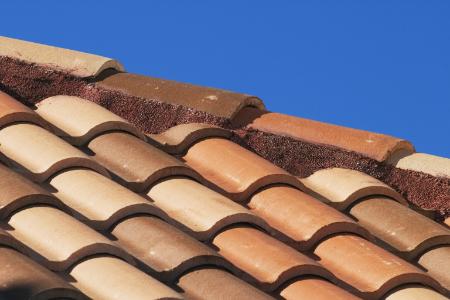
What Causes Black Streaks on Your Roof?
If you have black streaks on your roof in Cape Coral, you're not alone. Our warm, humid climate is the perfect environment for roof stains to spread. Homeowners often think the marks are dirt. In most cases, those streaks are living growth that needs expert attention, not just a hose.
What Those Black Streaks Really Are
The dark trails running down shingles or tiles are usually colonies of a blue-green algae called Gloeocapsa magma. It looks black because the algae produce a protective dark pigment that shields them from the sun. As the colonies spread, they trap moisture and organic material, which helps other organisms like mildew and lichens take hold. Over time, the streaks get wider, darker, and more noticeable from the street.
Black streaks are living colonies of algae that thrive on the limestone fillers found in many asphalt shingles. They also cling to the textured surfaces of clay and concrete tiles. Wind and birds move the spores from roof to roof, which is why you might see entire blocks in neighborhoods like Pelican, Trafalgar, or Yacht Club develop the same stains within a season.
Why Cape Coral Roofs Get Streaks Faster
Climate and surroundings matter. Cape Coral's rainy, tropical weather means long periods of heat and humidity, especially from May through October. That adds up to more warm, wet hours on your roof, which is prime time for algae to grow. Sea breezes can carry salt and organic particles inland, where they settle on your roof and feed growth. Shaded areas under palms or oaks stay damp longer, and north-facing slopes dry slowly after storms.
- High humidity and frequent afternoon thunderstorms keep surfaces wet.
- Salt and organic dust from coastal winds provide nutrients.
- Tree shade and low sun exposure allow moisture to linger.
- Gentle roof pitches shed water slowly, leaving films where algae can spread.
Tile roofs common in communities like Sandoval or near Cape Harbour have small pores and surface texture. That texture holds moisture and fine particles after a storm. Shingle roofs in older areas may contain limestone filler that algae use as a food source. These local details explain why two houses on the same street can age very differently.
How Black Streaks Damage Your Roof Over Time
Black streaks are more than a cosmetic issue. As algae and related growth spread, they hold moisture against the surface. On asphalt shingles, this can speed up granule loss. Granules protect the shingle from UV light. Fewer granules mean faster wear and a hotter attic. On tile roofs, trapped moisture can feed lichens that slowly bond to the surface and become hard to remove without the right methods. The result is a roof that looks older than it is and may be more vulnerable to heat and rain.
There is also the curb appeal problem. Stains draw the eye and make even a neat property look neglected. That can matter when selling a home or when living in deed-restricted communities that prioritize exterior upkeep. A clean roof and bright gutters frame the entire house and help landscaping and paint colors pop.
Common Roof Types in Cape Coral and How They're Affected
Not every roof reacts to algae the same way. Here is how the most common materials handle black streaks in Southwest Florida.
Asphalt Shingles
These shingles often show long, vertical streaks down the slope where rain pulls the algae's pigment through the granules. Over time, the affected areas can look patchy as granules loosen. Some shingles include algae-resistant technology, but even those can stain when conditions are ideal for growth.
Concrete or Clay Tile
Tile surfaces can show blotchy, dark patches that slowly join into wide streaks. The curved profile of many tiles traps leaf litter and fine debris after storms. That debris breaks down and feeds microbial growth until regular cleaning removes it.
Metal Roofing
Metal is less porous, but it can still show organic staining in areas where water collects or where debris sits against seams. The finish may develop streaks that look like shadowy bands. These usually respond well to the right, gentle cleaning approach.
Why Professional Roof Cleaning is the Safe Solution
It can be tempting to blast stains away. Do not. Avoid high-pressure washing on asphalt shingles and delicate tile surfaces. High pressure can remove protective granules from shingles or force water under tile overlaps and flashings. Professional roof cleaning teams use calibrated, low-pressure application with solutions designed for your material. The goal is to treat the cause, not just scrub the symptom.
A trained crew protects landscaping, manages runoff, and works around vents, skylights, and solar mounts. They also recognize roof features unique to our area, like ridge vents placed for sea-breeze cooling or the transitions found on lanais and covered boat docks. The right approach helps remove stains now and slow future growth without risking damage.
If you want a full property refresh along with your roof, our pressure washing pros can coordinate driveway, pool deck, and screen enclosure cleaning in the same visit. One coordinated service helps your home look consistent from curb to canal.
Local tip: The wet season in Cape Coral runs late spring through early fall, and algae spread fastest after back-to-back rainy afternoons. Scheduling roof care in the drier months gives treatments more time to work and limits new growth before the next storm cycle.
What Actually Causes the Streak Pattern
Homeowners often ask why the stains form lines. Gravity and water flow shape the pattern. When it rains, water carries the algae's dark protective pigment down the roof. It concentrates in subtle channels that form between shingle tabs, tile curves, or metal seams. That creates the striped look you see from the street. Any small dip or low spot that holds water becomes a starting point for a wider, darker band.
Roof vents and satellite mounts also cast small shadows. Those cooler, shaded spots stay wet longer, giving the algae a head start. Over a season, a few small patches become continuous streaks.
Prevention That Fits Cape Coral Homes
There is no permanent, once-and-done fix because algae can return on wind or rain. But you can slow it significantly with smart maintenance choices that do not involve risky DIY climbs or harsh scrubbing.
- Trim back heavy shade where safe to do so to improve sunlight and airflow across the roof plane.
- Keep gutters clear so water does not spill over and feed streaks along the lower edges.
- Schedule inspections after major storms so debris does not sit and break down on the surface.
Regular, professional roof cleaning helps maintain appearance and performance by removing the film algae use to grow. It also allows pros to spot cracked tiles, loose flashing, or lifted shingle edges early, before a small issue becomes a leak during summer storms.
When to Clean in Cape Coral
Timing matters. Many Cape Coral homeowners choose a cleaning cycle of every 12 to 24 months, depending on shade, roof material, and how close the home sits to canals or the river. If your property in Burnt Store or near the Yacht Club gets steady tree cover and afternoon sea breezes, you might see streaks return sooner than a sunlit home along wide canals.
Watch for these signs that it is time to schedule service:
- Dark trails visible from the curb or at roof edges near gutters.
- Uneven, shadowy patches that do not rinse away after rain.
- Lichen or moss clinging to tile surfaces, especially around ridges.
- Attic feels noticeably hotter, which can mean shingles are losing granules.
Cleaning sooner is easier and gentler. Waiting until streaks cover most of the slope can require more dwell time to lift buildup. A predictable schedule keeps the roof bright and avoids surprises before hurricane season.
How Professional Cleaning Protects Your Home
Beyond a better-looking roof, expert cleaning supports the whole home. Clean, reflective surfaces stay cooler, which can help reduce attic heat load during long summer afternoons. Proper treatment clears growth around flashings, vents, and skylights, which are common entry points for wind-driven rain. Technicians also see the roof up close, so they can flag cracked tiles or loose ridge caps that you cannot spot from the driveway.
Safe application is key. Pros choose methods matched to asphalt shingles, tile, or metal so the roof is cleaned without abrasion. They protect landscaping and fixtures, and they rinse where needed so surfaces are safe for pets after treatment. Choosing a licensed, insured team protects your home and your peace of mind while work is completed at height.
Algae, Mildew, and Lichens: What's the Difference?
It helps to know what you're seeing. Algae cause most black streaks. Mildew is a lighter film that can make the roof look dingy, especially near roof-to-wall transitions. Lichens are a tougher, crusty mix of fungus and algae that root into tiny surface pores. Lichens often appear as pale green spots that hold moisture against tile. The right professional process addresses each type safely.
Neighborhood and Weather Factors You Can't Control
Some causes are simply part of living in a coastal city. Sea air carries microscopic particles. Afternoon showers leave a thin film as they dry. Boats and lawn equipment can send fine organic matter into the air. Even if you keep trees trimmed and gutters clear, anything that lands on the roof can feed algae when the humidity stays high. That is why a regular plan matters more than a one-time clean.
What to Expect From A Professional Visit
When you schedule with SKYWRX LLC, a trained team arrives with the proper equipment for your roof type. They'll walk the property, protect nearby plants, and treat the roof using low pressure and appropriate solutions. Afterward, they'll complete a visual check for items that may need attention, like cracked tiles or loose shingles at valleys. You get a brighter roof and practical notes about its condition.
For many homeowners, pairing roof work with a driveway or lanai refresh saves time and reduces disruption. One visit means one arrival window and a property that looks clean from ridge to curb on the same day.
The Payoff: Curb Appeal and Peace of Mind
Black streaks make even a freshly painted home look tired. A clean roof lifts the whole exterior, from Cape Coral Parkway to Pelican Boulevard. It frames your landscaping and lets architectural details shine. For waterfront homes, the difference is obvious from the canal as well.
Protecting your roof with professional care helps it look its best longer and supports the rest of your exterior. It is a small step that makes a big visual impact every time you pull into the driveway.
Restore Your Roof's Clean Look Today
If stains are spreading across your roof, take action before the next stormy stretch. A quick, professional assessment can confirm what you're seeing and map the right plan for your material. You will get straightforward guidance and a service window that fits your schedule.
Ready for professional roof cleaning that's safe for your home? Schedule trusted roof cleaning with SKYWRX LLC or call us at 239-560-5255. We serve neighborhoods across Cape Coral with care and attention to detail, so your home looks bright and well-kept all year.

How Can We Help?
Start With a Free Property Inspection
Every property has different surfaces, access points, staining, and maintenance needs. Whether you are considering routine pressure washing for a home, a complete Top-2-Bottom Cleaning, or an aerial cleaning solution for a larger commercial or municipal structure, SKYWRX LLC can help you determine where to start.
Call 239-560-5255 during our Monday through Friday, 9 a.m. to 5 p.m. business hours to request a free estimate or inspection. You can also use the contact form to tell us about your property and the areas you want cleaned. SKYWRX LLC is ready to help you build an exterior cleaning plan with the right combination of technology, equipment, and attention to detail.
Contact Our Pressure Washing Company!